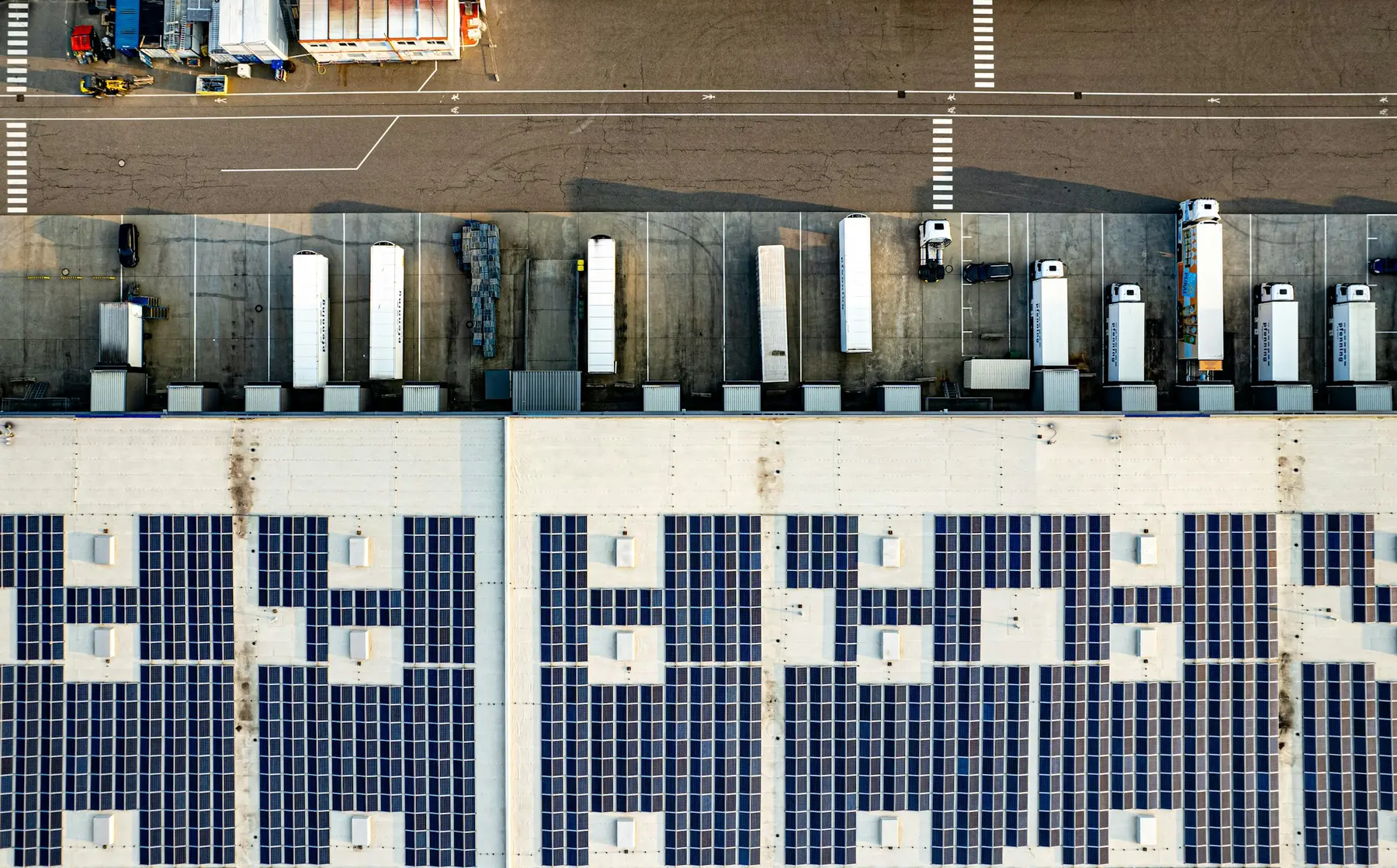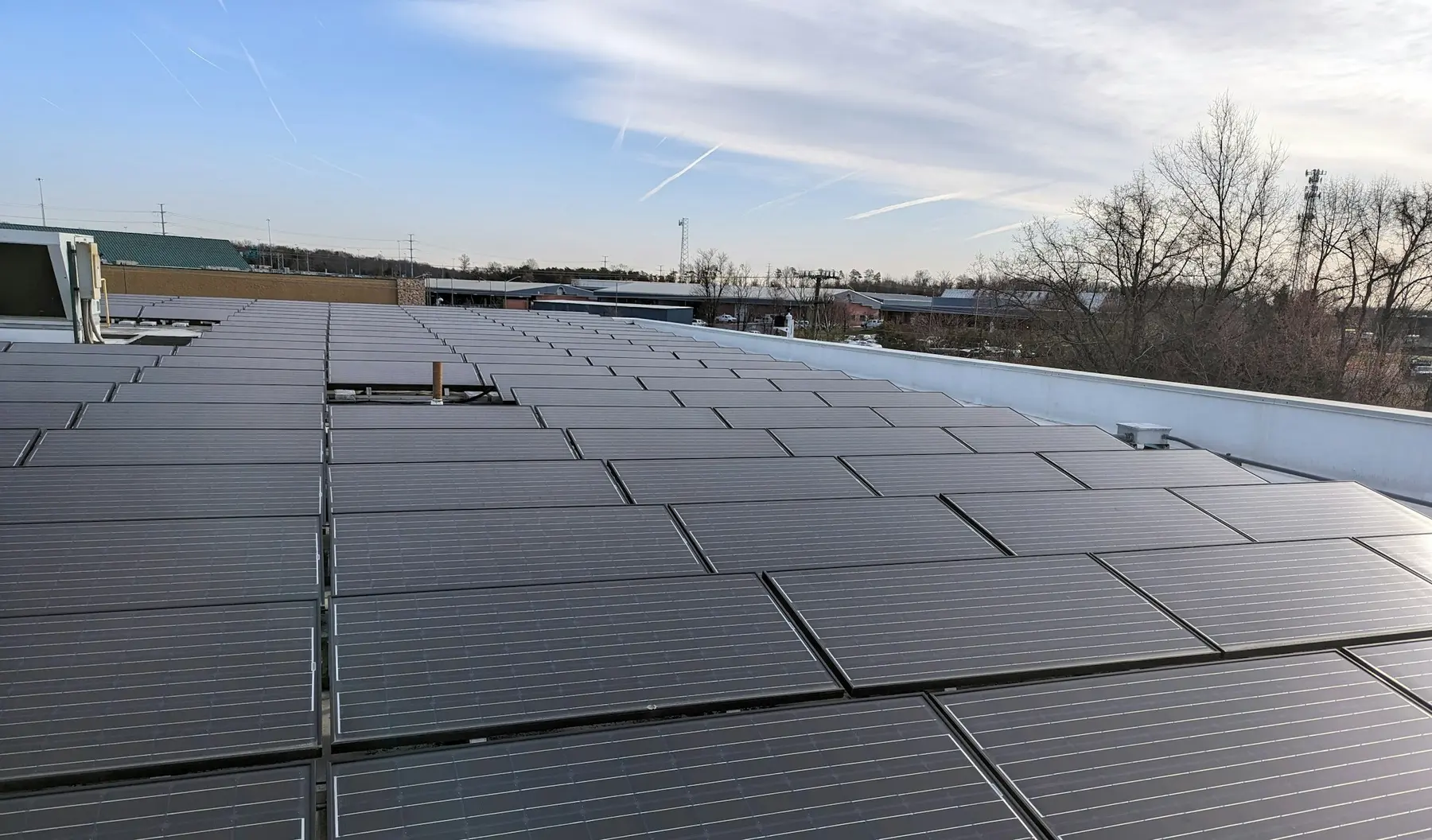

Gemeinsam dimensionierte Anlagen ergeben eine Lösung, die zu den tatsächlichen Betriebsabläufen passt.
Understand daily and seasonal operating patterns
Annual bills provide an initial indication. Project design also requires hourly and seasonal variations: building activity, closure days, heating and cooling demand, and the presence of vehicles. These inputs help compare expected solar generation with demand occurring at the same time.
Solar generation and heating have a seasonal mismatch: heating demand can be high when solar resources are lower. Equal annual generation and consumption therefore do not demonstrate that demand is covered at every moment. The study should make this mismatch visible and show the implications for the proposed system.
Give each component a defined role
PV sizing reflects usable areas, site conditions and consumption. For charging points, key criteria include vehicle numbers, how long they remain on site and their charging needs. A fleet parked for several hours requires a different arrangement from vehicles making a short stop.
A heat pump is selected against thermal demand, required temperatures and existing equipment. Winter operating conditions and any need for additional heating should be examined. The objective is a justified system design in which every component serves an identified purpose.
Assess controls and energy storage
Controls can organise some consumption around client constraints: charging windows, available power or equipment priorities. Their value should be assessed against loads that can actually be shifted and the expected comfort level. Technical flexibility must be compatible with how the business operates.
A battery can be considered for shifting some energy use or meeting a defined requirement. Its assessment includes cost, losses, ageing and operating conditions. Storage intended for daily shifting does not, by itself, demonstrate coverage of the seasonal gap between summer and winter.
Compare complete scenarios
EVRA proposes comparing a baseline configuration with clearly costed options. Each scenario identifies electrical works, building adaptations, grid connection, maintenance and operating assumptions. Estimated savings remain specific to the site and the energy prices used. They should be presented with their main sensitivities.
This process supports the selection of a coherent system that matches your priorities, followed by a plan for useful future additions. The intended result is an informed decision on scope, budget and future operation, with clear assumptions about the contribution of each technology.
Informationsinhalt von Lionberry Energy. Dimensionierung, Preis, Leistung und Vertragsstruktur werden erst nach Standortprüfung und Zustimmung der Parteien bestätigt.