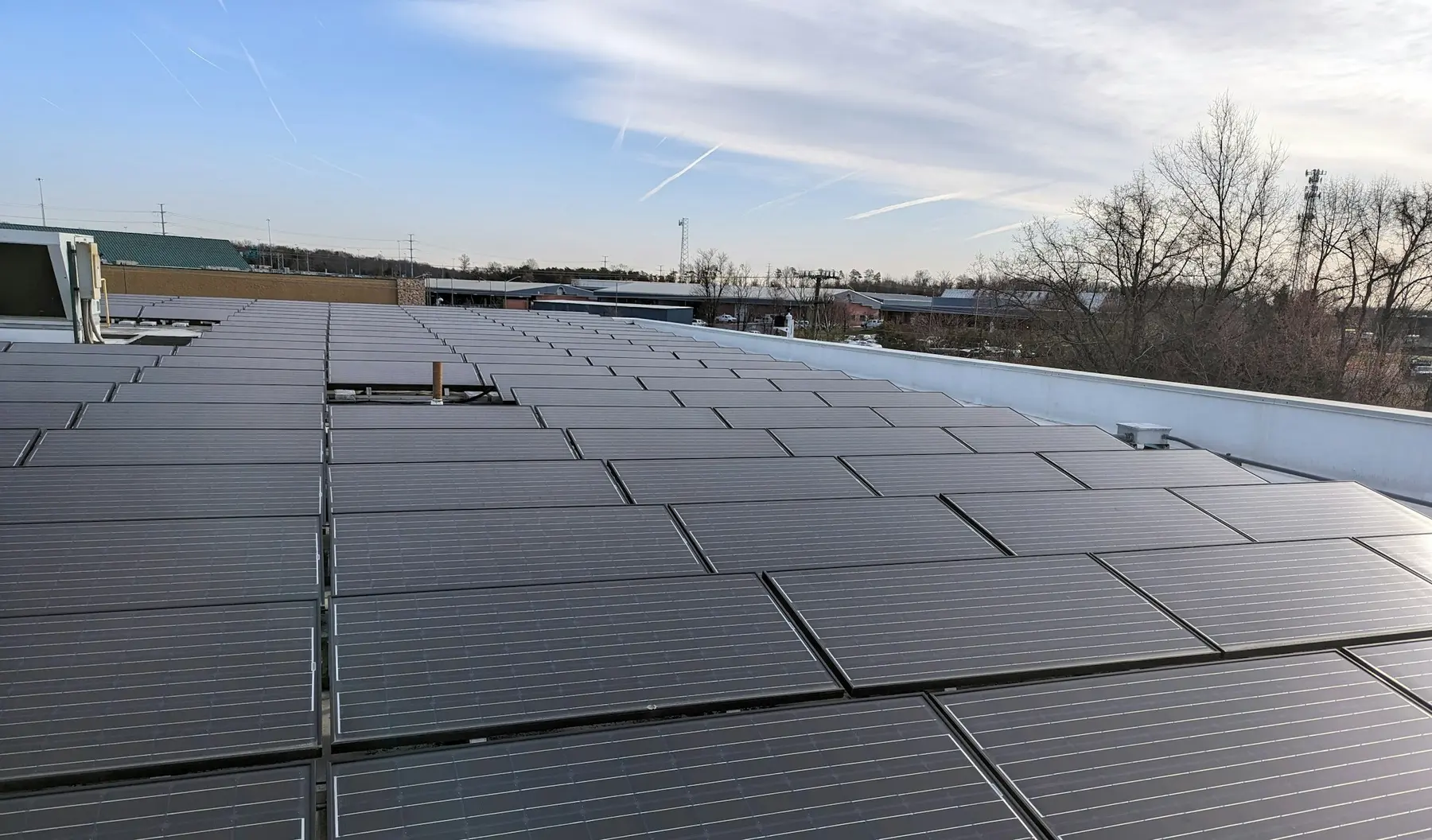

Solar generation creates value when it meets a useful demand. Reviewing working hours, operational constraints and scheduling options helps a business prepare an energy investment that fits its actual needs.
Understanding the TELED principles
TELED stands for the French expression “Tâches Essentielles Lorsque l’Essentiel est Disponible”, referring to essential tasks when essential resources are available. Developed from NeoLoco’s experience, the approach considers how organisations operate with variable resources.
EVRA offers an independent energy-use and flexibility audit inspired by these published principles. Organisations seeking consultancy delivered by the TELED collective can contact it through its official presentation page.
Start with how the site actually works
We propose gathering twelve months of utility bills, available consumption profiles, occupancy schedules and an equipment inventory. Discussions with operating teams establish production, comfort, safety and delivery requirements. These conversations help identify the reasons behind existing schedules.
Each significant use receives a simple record: energy required, current operating hours, responsible person, constraints and possible scheduling window. Gaps in the evidence can lead to a focused measurement campaign agreed within the assignment.
Test changes that work for the team
Potential opportunities include vehicle charging, hot-water preparation and selected production sequences. Each proposal must preserve the required service and be reviewed with the people responsible for delivering it.
The study compares current operations, schedule adjustments, automated controls and additional equipment. A limited trial measures the effects on energy consumption, working practices and business continuity before any wider rollout. Operational teams retain clear rules for exceptional situations.
Leave with an actionable roadmap
The proposed deliverable includes an energy-use map, prioritised actions, economic assumptions and a monitoring plan. Organisational changes and equipment investments receive separate cost estimates and named responsibilities, allowing management to choose the next step.
Scope and timing are agreed at the outset. Potential savings depend on site data and trial results. Share your activity, location and recent bills with EVRA to define an initial assessment in France or Romania. The first decision is the scope of the investigation and the evidence needed to make it useful.
Informational content prepared by Lionberry Energy. Project sizing, pricing, performance and contractual structure are confirmed only after site assessment and approval by the parties.