
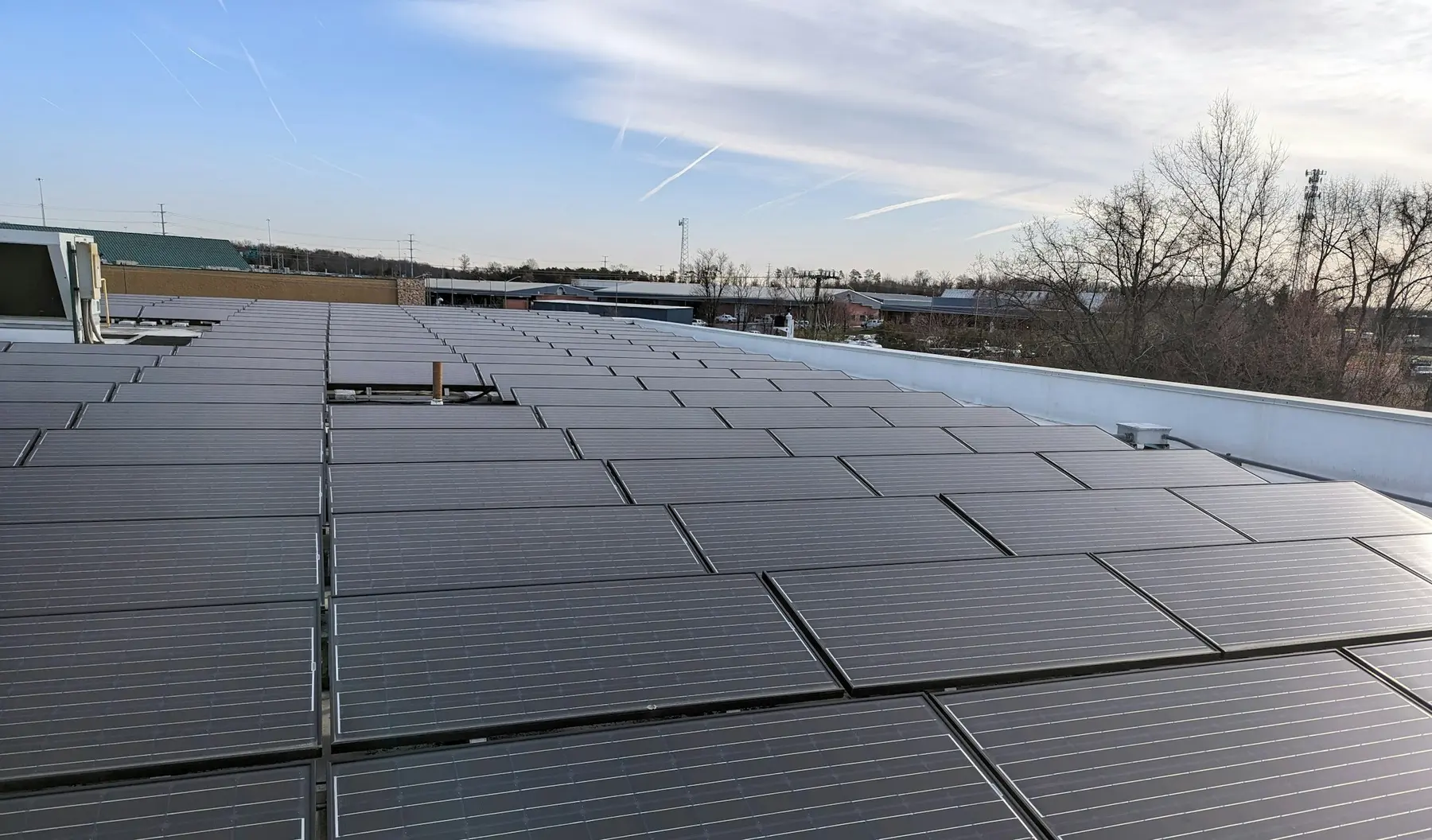
Can selected energy uses move towards solar generation hours while maintaining the required service? EVRA proposes a flexibility pilot to answer that question with operating teams and measurements that can be compared meaningfully.
Establish a useful baseline
EVRA’s proposed protocol draws on TELED’s published principles concerning available resources. The steps below describe our proposed assignment. The collective’s official presentation remains the reference for consultancy delivered through its own approach.
We gather available consumption and generation profiles, schedules, activity volumes and equipment settings. The baseline identifies unusual days and missing data before any comparison. The operating team helps explain patterns that a meter alone cannot explain.
Map task criticality and flexibility
A matrix considers the criticality and time flexibility of each task. Criticality describes the consequences of a delay; flexibility specifies the acceptable scheduling window, duration and dependencies on other tasks.
Each entry names a responsible person, safety requirements and a way to restore the original operation. Charging a vehicle available for several hours may merit investigation. A priority service retains the timing it requires. Staff review the matrix before any trial starts.
Agree the trial and acceptance criteria
The pilot initially covers a small set of identified uses. Two weeks is an example duration, to be adapted to the operating cycle and the evidence required. Timing, stop conditions and responsibilities are agreed before launch.
Acceptance criteria address service delivery, relevant comfort requirements, workload and measurement traceability. The team also agrees thresholds that require an immediate return to the usual operating arrangements. Any exceptions are recorded for review.
Measure results and decide what follows
The comparison accounts for occupancy, activity volumes and weather where relevant. The self-consumption rate measures the share of solar generation used on site. Changes are reviewed alongside purchased energy and operational constraints.
The report presents observed results, data limitations and the proposed decision: continue, adjust or stop. EVRA can scope and coordinate this process before a larger investment. Share your site details, equipment and available consumption profiles to define a practical initial pilot.
Informational content prepared by Lionberry Energy. Project sizing, pricing, performance and contractual structure are confirmed only after site assessment and approval by the parties.