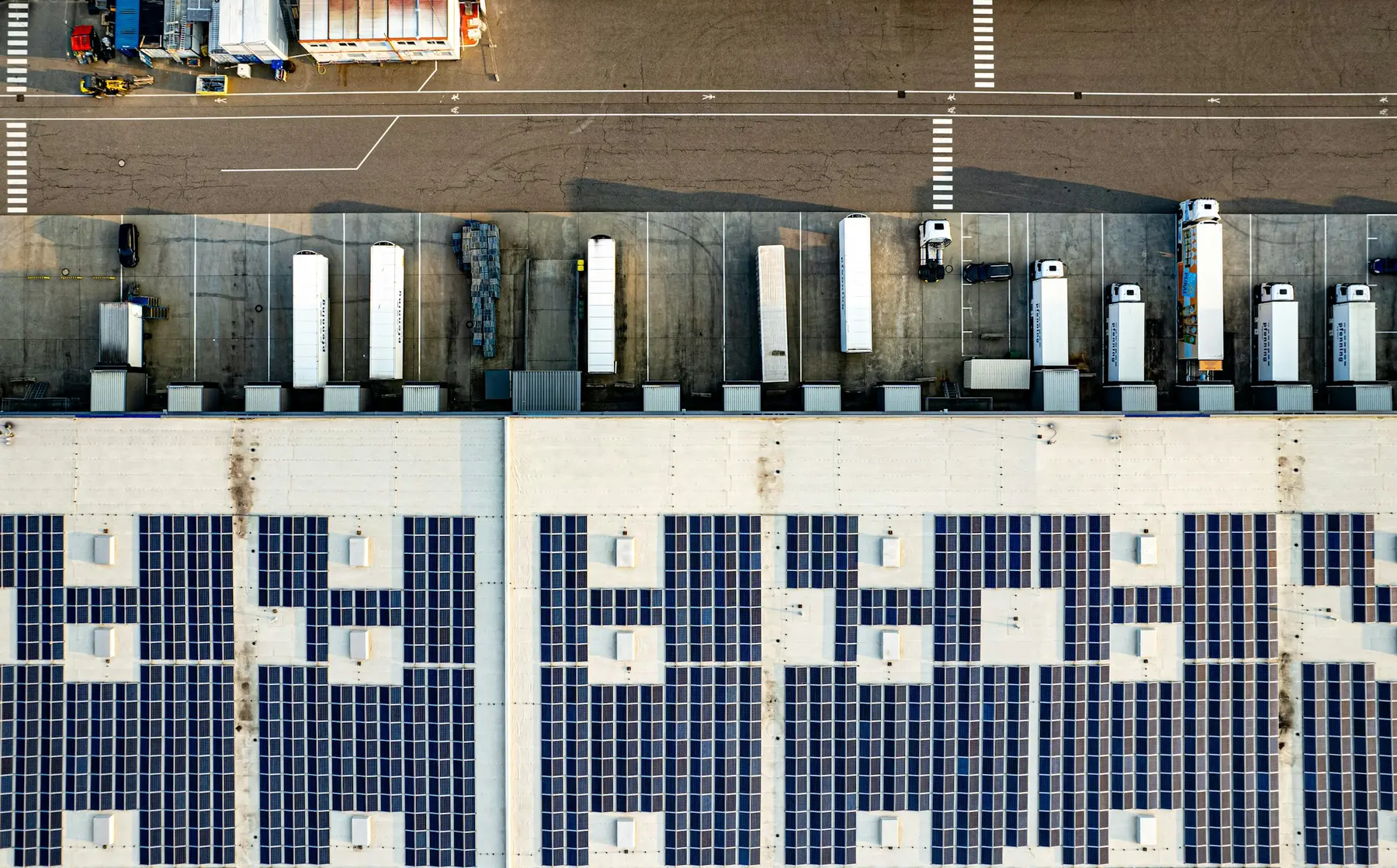
A daytime workshop, a reception area and an occasionally occupied building have different needs. Solar air heating is worth assessing where available solar heat can coincide with the way a space is used.
Turn sunlight into useful heat
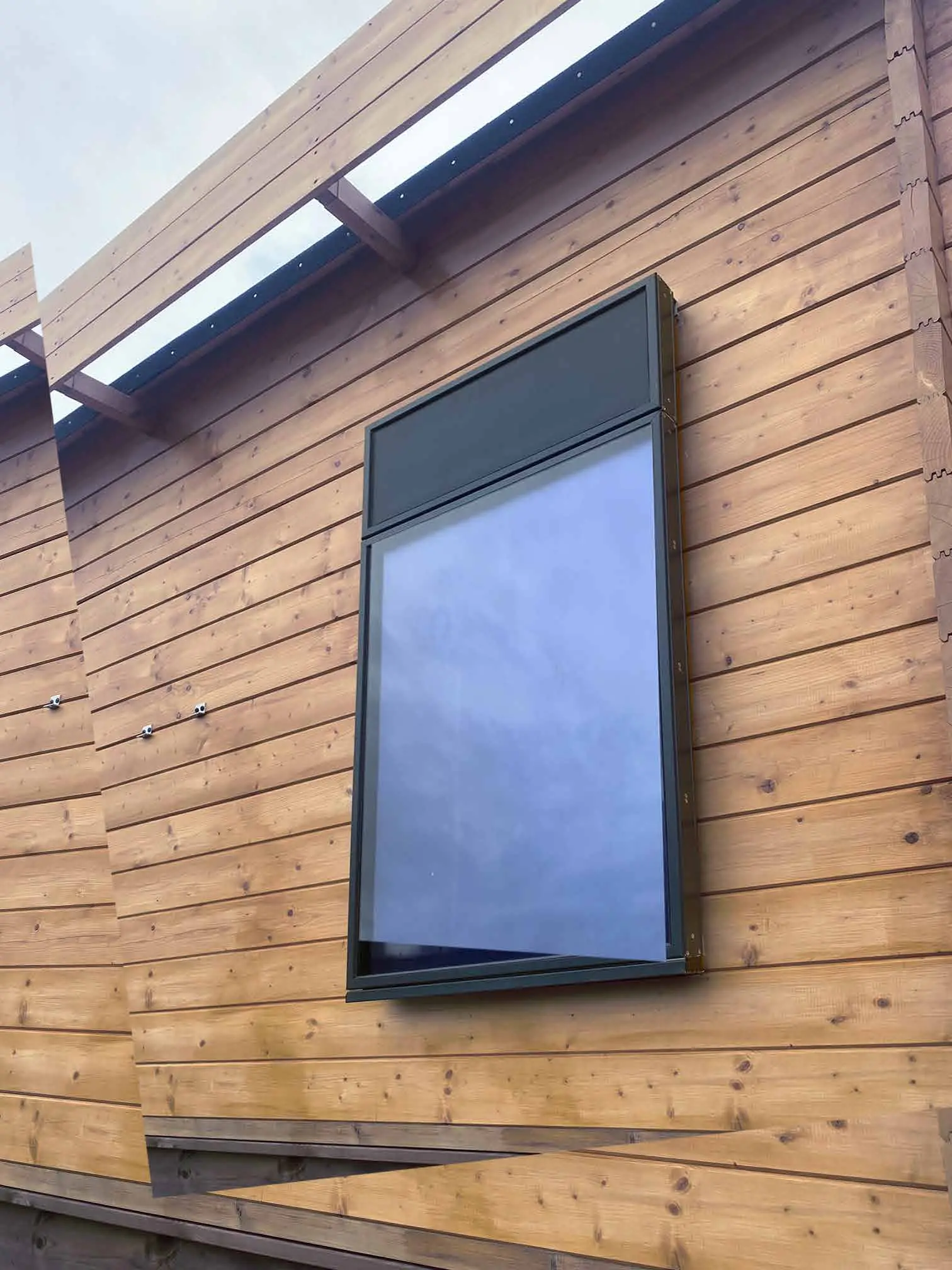
A solar air collector transfers heat from solar radiation to an airflow. Depending on its design, the warmed air contributes to space heating or preheats incoming air. This is a form of solar thermal technology.
Useful output varies with sunlight and operating conditions. System design must provide the required service when solar input is insufficient. The cited IEA SHC case describes a particular façade technology; its performance figures should not be transferred to other products.
Ask the right questions before choosing
EVRA proposes reviewing the building, occupancy schedules and existing equipment before selecting a system. Which spaces need heat? At what times? What comfort issue should the project address? Who will operate the equipment each day?
Our initial assessment considers available surfaces, orientation, shading, possible air routes and maintenance access. It also includes a discussion of acceptable noise, external appearance and practical constraints on installation work. Existing drawings and photographs make this first conversation more productive.
Define the installation and its interfaces
The project should specify controls, airflow paths and operation during periods when heating is unnecessary. The appointed designer checks the interfaces with the existing heating and ventilation systems. Operating responsibilities should be clear at handover.
For a solution such as SUNAERO, EVRA proposes obtaining technical documentation for the actual model and site conditions. Moisture concerns receive a separate assessment: water ingress or a construction defect requires investigation of the underlying cause.
Measure performance to guide decisions
We propose recording an initial condition, agreeing comfort objectives and defining monitoring before installation. Relevant measurements may include temperatures, operating time and the existing heating system’s consumption, interpreted alongside weather and occupancy.
The quotation should cover equipment, adaptations, commissioning and maintenance. Send EVRA photographs, occupancy hours and details of the current heating system to determine whether a solar air heating assessment is appropriate for your building. A clear initial brief helps the technical team select the information it needs for a meaningful proposal.
Informational content prepared by Lionberry Energy. Project sizing, pricing, performance and contractual structure are confirmed only after site assessment and approval by the parties.