An energy project brings together financial, technical and operational skills. Clients need to understand what they are buying, who makes each commitment and how results will be monitored. EVRA acts as an energy project integrator to organise these interfaces, from financing through to operation.
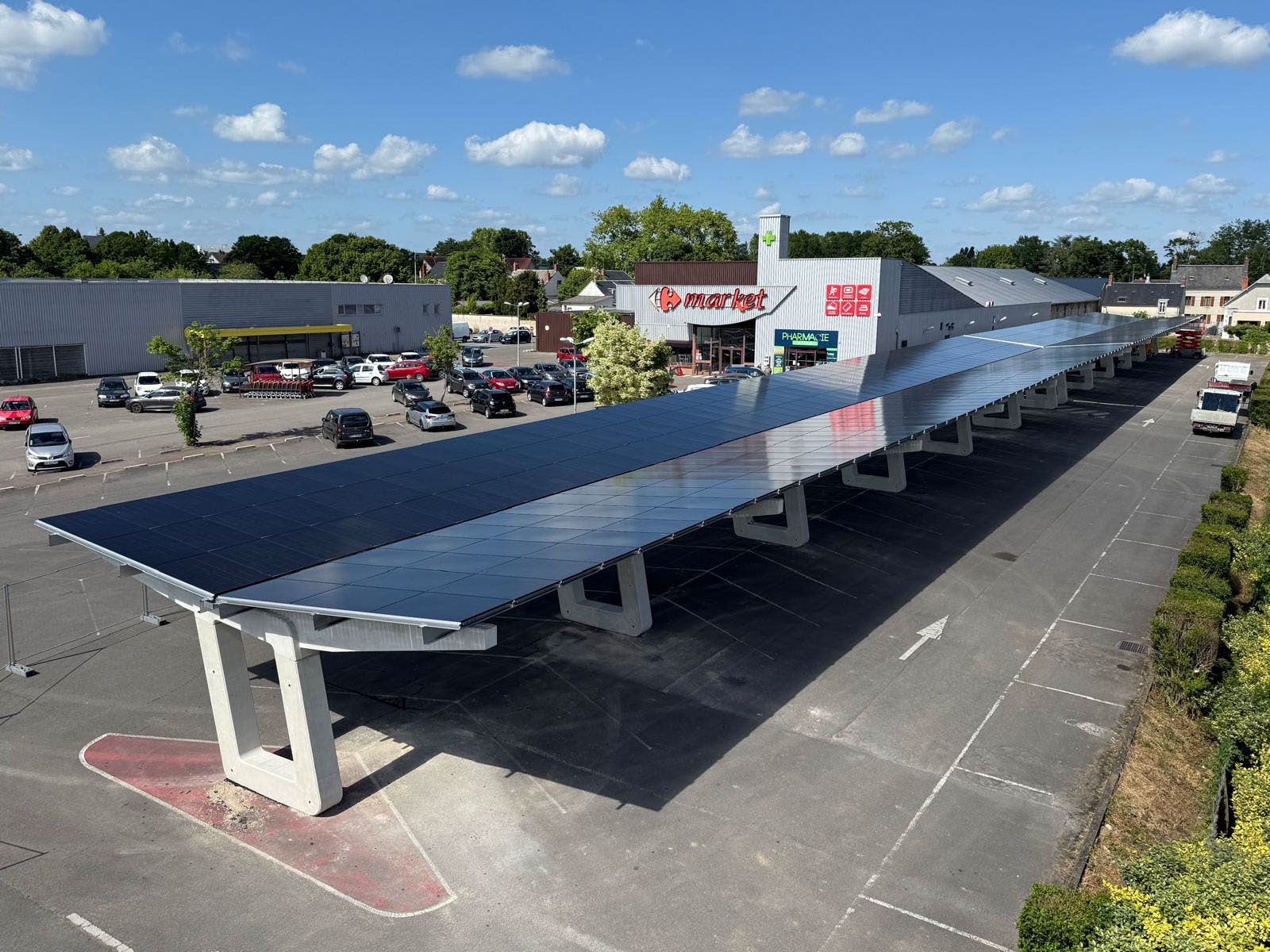
Photovoltaic carports · Mecosun supplier reference
Start with a business decision
The first step is to establish your priorities: control specific energy costs, modernise equipment, improve a car park or address requirements that apply to your site. We also clarify constraints, including available cash, occupancy duration, operating schedules and your team’s capacity to support the works.
These inputs define a coherent project scope. Choosing between direct investment and an externally financed arrangement requires a view of long-term commitments, asset ownership and the allocation of costs. Options should be compared over the same period.
Assign responsibilities clearly
EPC stands for engineering, procurement and construction. Under an EPC contract, the contractor assumes that scope according to the agreed terms. Financing, operation and maintenance require separately defined commitments. Commercial descriptions should reflect the actual contractual structure.
EVRA organises projects through an explicit allocation of tasks: studies, administrative procedures, purchasing, installation, testing and acceptance. Before committing, the client should have a named contact, a defined service scope and visibility over the main interfaces with other participants.
Select partners and manage delivery
Our suppliers and installers are selected against demanding criteria: demonstrated capabilities, applicable qualifications, insurance, equipment quality, warranties and support capacity. Selection reflects the technologies chosen and the requirements of each country.
Delivery is organised around clear milestones. Studies should confirm the solution before binding orders are placed. The schedule must account for permits, grid connection and the client’s operating constraints. Changes are documented with their consequences for price, timing and responsibilities, enabling informed decisions throughout the works.
Plan operation during the design phase
Acceptance should be supported by the agreed tests, technical documentation, warranties and appropriate training. Monitoring arrangements specify who supervises the installations, how an issue is reported and under what conditions an intervention is organised. These arrangements need to match the equipment and the site’s practical needs.
EVRA proposes addressing these questions in the initial project structure. Selected indicators should reflect the client’s objectives: generation, availability, consumption or avoided expenditure, depending on the project. Measurement relies on accessible data and explicit assumptions. This continuity supports long-term management of the installation and a clear contractual relationship, with an agreed framework for following progress and addressing operational issues.
Informational content prepared by Lionberry Energy. Project sizing, pricing, performance and contractual structure are confirmed only after site assessment and approval by the parties.